The Art of Crafting Perfect Cocktails

Crafting the perfect cocktail is both an art and a science. It requires a keen understanding of flavors, balance, and presentation. Whether you are a beginner or an enthusiast looking to refine your skills, mastering the essentials of mixology can elevate your cocktail game to new heights. This guide will walk you through the key elements of creating craft cocktails that impress and delight.
Understanding the Essence of Craft Cocktails
Craft cocktails are more than just mixed drinks; they are carefully curated experiences. The essence lies in using high-quality ingredients, precise measurements, and thoughtful combinations. Unlike mass-produced beverages, craft cocktails emphasize freshness and originality.
To start, focus on the base spirit. Whether it’s gin, whiskey, rum, or tequila, the choice of spirit sets the tone. Next, consider complementary flavors such as citrus, herbs, or spices. Freshly squeezed juices and homemade syrups often make a significant difference in taste.
Presentation also plays a crucial role. The right glassware, garnishes, and even the ice shape can enhance the overall experience. For example, a classic Old Fashioned served with a large ice cube and an orange twist looks as good as it tastes.

Essential Tips for Making Craft Cocktails at Home
Creating craft cocktails at home can be simple and rewarding. Here are some practical tips to help you get started:
Invest in quality tools: A good shaker, strainer, jigger, and muddler are essential.
Use fresh ingredients: Fresh citrus juice and herbs make a noticeable difference.
Measure precisely: Use a jigger to ensure the right balance of flavors.
Experiment with flavors: Don’t be afraid to try new combinations or add a twist to classic recipes.
Chill your glassware: A cold glass keeps your cocktail refreshing longer.
For those interested in refining their skills further, exploring professional cocktail mixing techniques can provide valuable insights into the craft.

What are the three basic methods of mixology?
Mixology involves several techniques to combine ingredients effectively. The three basic methods are shaking, stirring, and muddling.
Shaking: This method is used for cocktails containing juices, dairy, or other thick ingredients. Shaking with ice chills and dilutes the drink while mixing the flavors thoroughly. Classic examples include the Margarita and Daiquiri.
Stirring: Stirring is ideal for spirit-forward cocktails that require gentle mixing without aeration. It preserves clarity and texture. Drinks like the Martini and Manhattan benefit from this method.
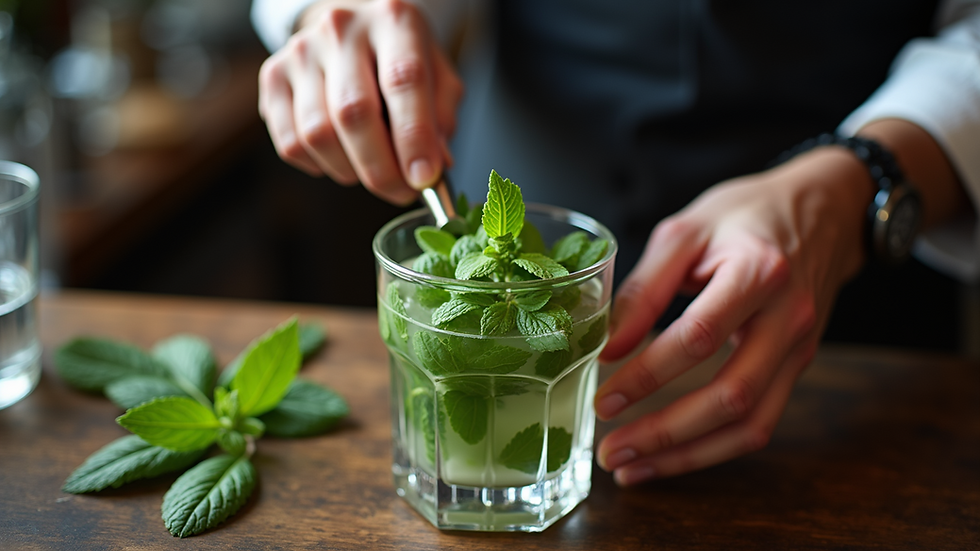
Muddling: Muddling involves crushing ingredients such as herbs, fruits, or sugar cubes to release their flavors. It is commonly used in cocktails like the Mojito and Caipirinha.
Mastering these methods allows you to create a wide range of cocktails with the perfect balance and texture.
Balancing Flavors: The Key to a Perfect Cocktail
A great cocktail achieves harmony between sweetness, acidity, bitterness, and alcohol strength. Understanding how to balance these elements is crucial.
Sweetness: Comes from syrups, liqueurs, or natural sugars in fruit.
Acidity: Usually provided by citrus juices like lemon or lime.
Bitterness: Added through ingredients like bitters, tonic, or certain herbs.
Alcohol: The base spirit provides the backbone and warmth.
A simple way to test balance is the "2:1:1" rule: two parts spirit, one part sour, and one part sweet. Adjust according to taste and the specific cocktail style.
For example, a Whiskey Sour typically follows this ratio but can be tweaked by adding egg white for texture or bitters for complexity.
Elevating Your Craft Cocktails with Garnishes and Presentation
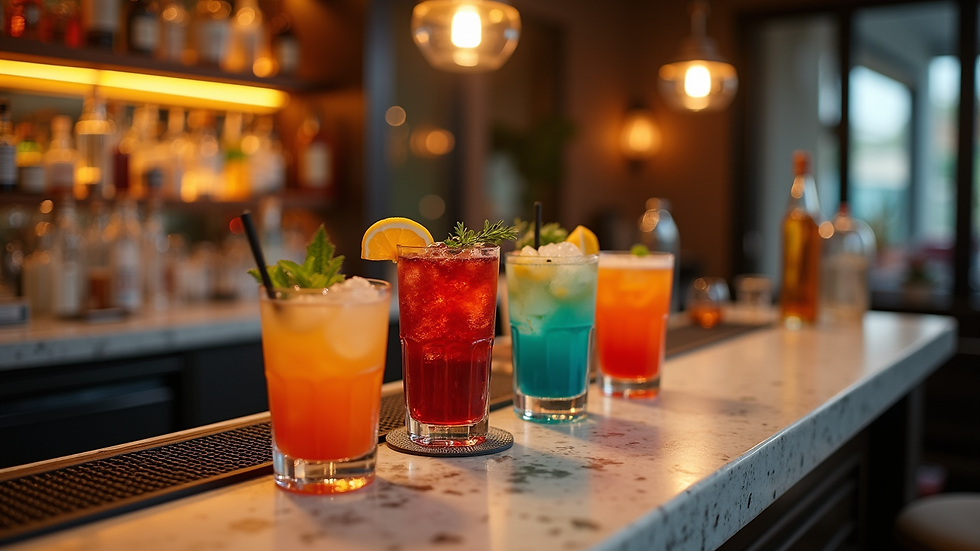
The final touch in crafting cocktails is presentation. Garnishes not only add visual appeal but can also enhance aroma and flavor.
Citrus twists or wheels: Add brightness and a fresh scent.
Herbs like mint or rosemary: Provide an aromatic lift.
Edible flowers or spices: Create a unique and elegant look.
Rimming the glass: Salt, sugar, or spices can complement the drink’s profile.
Glassware choice also matters. Use a coupe for delicate cocktails, a highball for tall mixed drinks, or a rocks glass for spirit-forward beverages.
Remember, the goal is to create an inviting drink that appeals to all senses.
Exploring Creativity Beyond Classic Recipes
Once you have mastered the basics, don’t hesitate to experiment. Craft cocktails thrive on creativity. Try infusing spirits with herbs or fruits, making your own bitters, or blending unusual ingredients.
Keep a cocktail journal to note what works and what doesn’t. This practice helps refine your palate and develop signature drinks.
Hosting themed cocktail nights or pairing drinks with food can also enhance the experience and impress your guests.
Crafting perfect craft cocktails is a journey of discovery and enjoyment. With the right knowledge, tools, and a bit of creativity, anyone can become a skilled mixologist. Whether for personal pleasure or entertaining friends, the art of cocktail making offers endless possibilities to explore and savor. Cheers to your next delicious creation!


Comments